



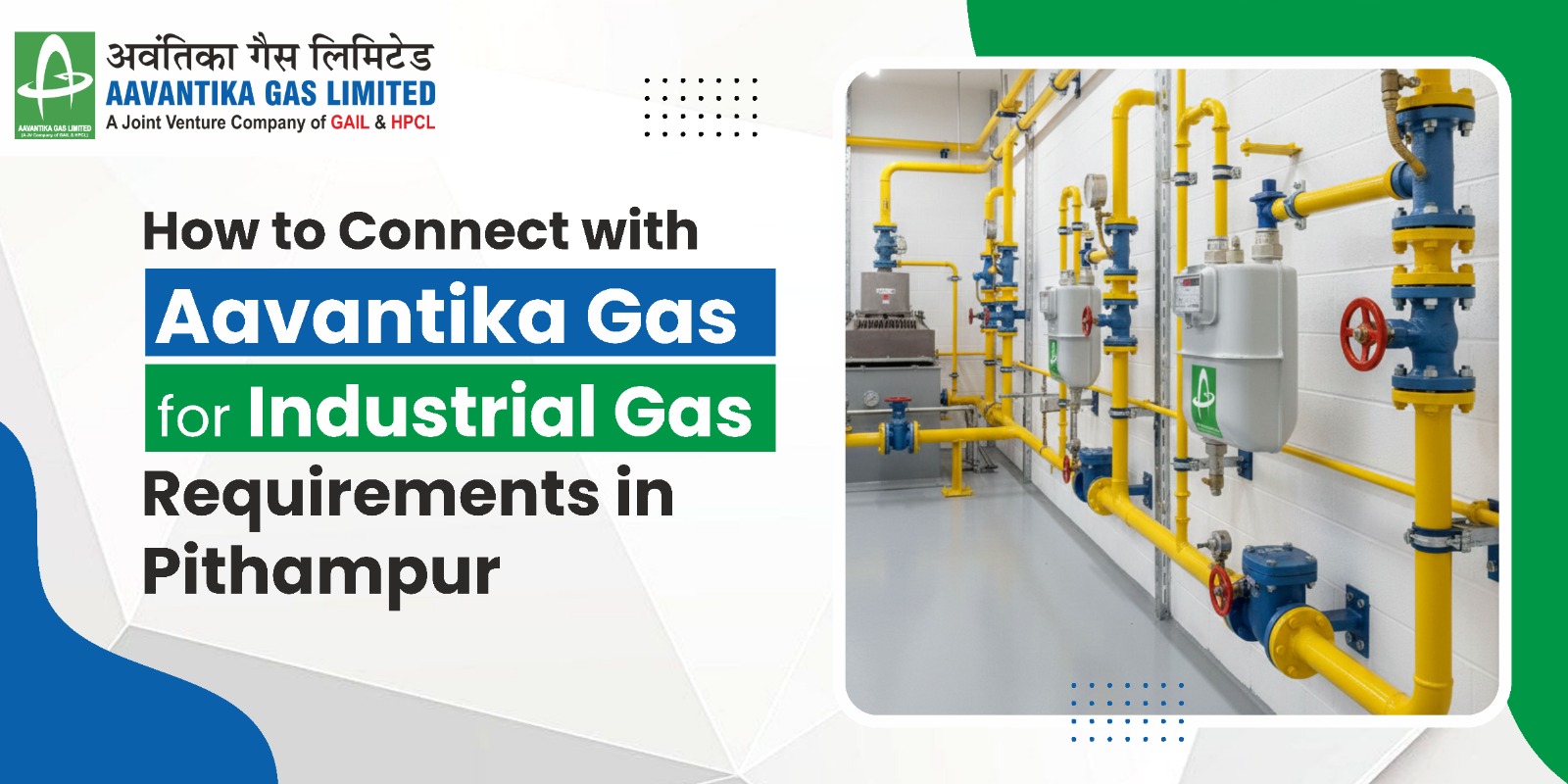
Pithampur has emerged as one of central India’s most active industrial ecosystems, known for manufacturing clusters related to automotive components, pharmaceuticals, engineering products, food processing, textiles, and heavy machinery. The rising number of industries, combined with extended production cycles, has created a high demand for reliable and consistent industrial fuel supply. Piped natural gas has slowly become a preferred choice for many units in the region due to its predictable supply and consistent energy performance during production processes. Industrial units that operate around the clock require a gas supply that is stable, compatible with high-load machinery, and supportive of energy-intensive functions such as heating, curing, drying, and steam generation. Companies in Pithampur are gradually shifting from traditional fuels to PNG-based systems as networks expand across the industrial zones. This shift has also increased the importance of connecting with reliable suppliers for an industrial gas connection in Pithampur that can support operational requirements.
Industrial Gas Requirements in Pithampur
Industries in Pithampur that require piped natural gas typically begin by assessing their daily and monthly consumption levels based on machinery, operational hours, and the nature of their production processes. Once a company has clarity on its requirements, the next step is to enquire with a gas distribution provider that covers the region. Aavantika Gas operates supply networks in parts of Madhya Pradesh, including industrial pockets where companies are actively adopting natural gas systems. Establishing an industrial gas connection in Pithampur usually starts with an application followed by a technical survey. This survey identifies the pipeline route, metering systems, safety protocols, and connection points. Industries benefit from an uninterrupted supply mechanism as natural gas is routed through underground networks that are designed to handle industrial volumes. Companies opting for conversion from conventional fuels also go through a phase of compatibility checking to align existing systems with PNG usage. Once installation is complete, billing is usually based on metered usage, making consumption patterns easier to monitor.
Industrial Energy Demand in Pithampur
The energy demand in Pithampur has increased with growing production units and expansions in existing facilities. Industrial processes often require heat and thermal energy with reliable consistency. Natural gas supports thermal operations with a steady flame pattern and consistent calorific value suited for batch or continuous manufacturing. Large industrial estates in Pithampur rely on fuel that can sustain pressure across multiple shifts without delays related to supply logistics. This has encouraged many units to explore PNG connections as part of their operational planning.
Why Natural Gas is Suitable for Manufacturing Processes
Manufacturing setups in Pithampur rely on machinery that is sensitive to temperature variations and combustion quality. Natural gas supports process stability due to uniform performance across heating lines, boilers, burners, and dryers. Industries handling materials such as metals, paper, food products, glass, and chemicals benefit from a fuel that delivers consistency without manual intervention. The controlled supply also lowers operational interruptions that may occur with fuel tank replacement or transportation delays. These qualities have made PNG a viable option for production continuity.
Application, Inspection, and Installation Process
Industries that require a PNG connection usually begin with an application form detailing site location, load requirements, and operational timelines. Once submitted, technical experts visit the site to identify connection feasibility. The inspection includes pipeline routing, metering location, safety inspection points, and integration with existing infrastructure. After approval, installation teams lay the pipelines and establish the metering system for consumption tracking. The conversion process is generally coordinated to avoid disruptions in ongoing production cycles wherever possible.
Safety and Regulatory Considerations for Industrial Units
Industrial fuel systems are subject to safety standards related to pipeline handling, equipment compatibility, and emergency control mechanisms. Natural gas systems for industries include automated shut-off features that respond to irregular pressure or leakage. Routine inspections monitor system performance and verify compliance with operational guidelines. Many plants adopt periodic maintenance schedules to prevent disruptions and protect equipment lifespan. As new companies in Pithampur onboard natural gas connections, these standards become an important part of operational planning.
Operational Flexibility and Long-Term Value
Industrial units that depend on continuous production benefit from a gas supply that is not restricted by transportation cycles. Piped natural gas supports long working hours, fluctuating load requirements, and seasonal production variations. By paying according to metered usage, industries can plan energy budgets more predictably. As more companies incorporate automation and capacity upgrades, fuel stability becomes a key factor in sustaining productivity and managing operational timelines. For new factories entering the market, PNG is often considered a long-term infrastructure investment rather than a temporary facility.
Conclusion
Industrial development in Pithampur has increased demand for energy sources that support intensive manufacturing cycles and higher production outputs. Companies are looking for dependable fuel supply systems that reduce the limitations found in conventional fuel logistics. Piped natural gas has gained preference for its performance, supporting both medium- and large-scale operations. The process of obtaining an industrial gas connection in Pithampur begins with assessing requirements, applying to a gas distribution provider, and conducting technical inspections before installation. This process helps companies align infrastructure with future growth. As Pithampur continues to evolve as a manufacturing hub, PNG adoption is expected to expand across multiple sectors. Businesses requiring a consistent industrial gas supply often establish long-term systems through providers such as Aavantika Gas Ltd.
FAQs
- What must an industrial unit determine internally before applying for a connection?
The unit must first assess its daily and monthly consumption levels, considering operational hours, machinery, and the specific nature of its production processes.
- When converting from conventional fuels, what specific check is necessary for existing equipment?
Companies must undergo a compatibility checking phase to align existing systems with PNG usage. This ensures consistent performance with the new natural gas fuel.
- What specific infrastructure details does the technical survey identify on-site?
The survey identifies the pipeline route, metering systems, safety inspection protocols, and the final connection points for integration with the unit’s infrastructure.
- How is consumption tracking and billing handled for industrial PNG connections?
Billing is based on metered usage, which allows for easy monitoring of consumption patterns. This mechanism makes planning energy budgets more predictable for the industry.
- How do new factories entering the market view the PNG connection investment?
For new factories, PNG is considered a long-term infrastructure investment that supports future growth and capacity upgrades, rather than a temporary facility.

No Comments
Sorry, the comment form is closed at this time.