


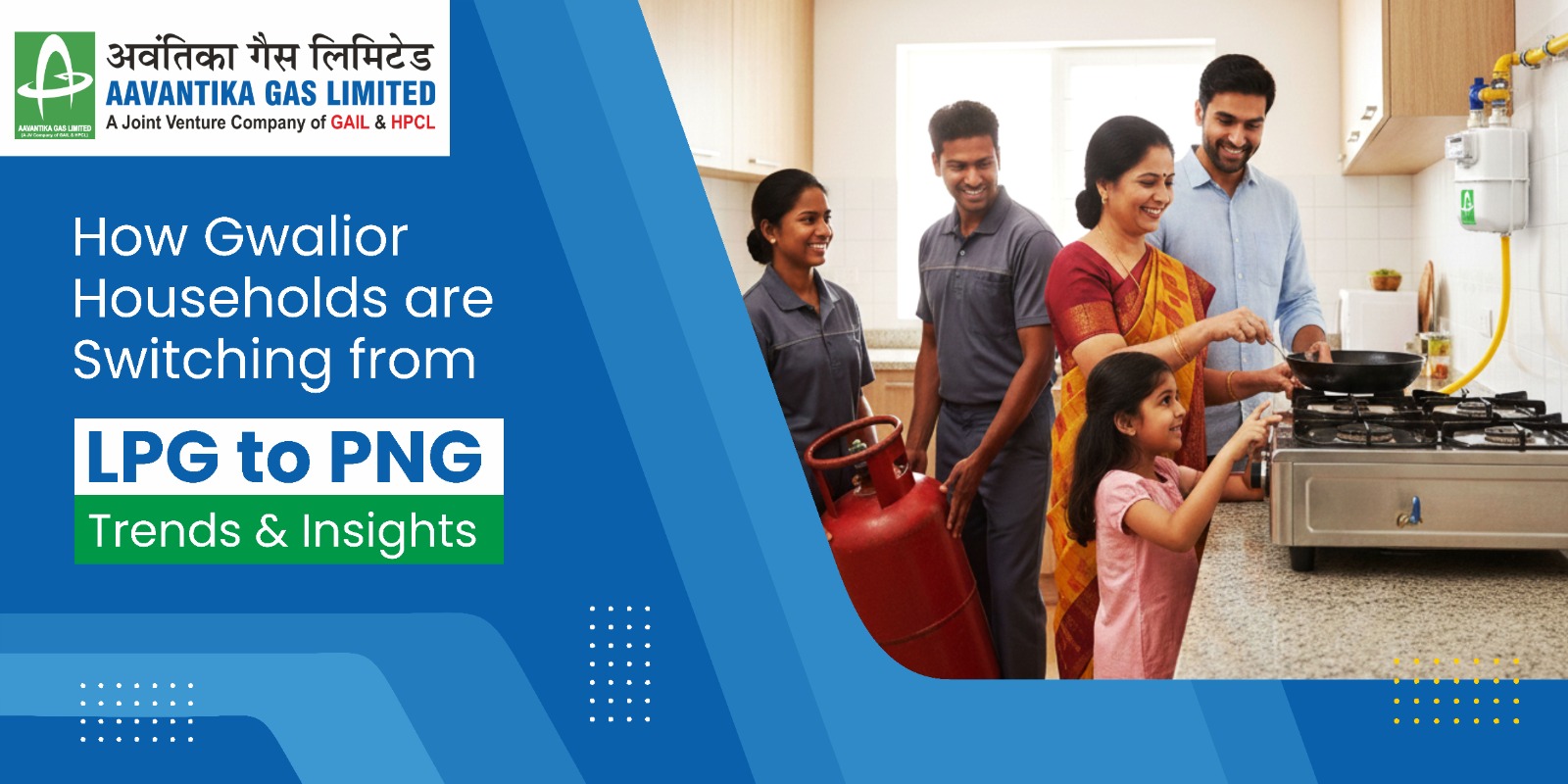
Gwalior is witnessing a gradual but visible shift in household energy choices, as many families move from traditional LPG cylinders to piped natural gas connections. Local distribution networks across Indian cities have grown consistently over the last decade, and Gwalior has been one of the newer urban centers to join this expansion. Changing priorities in safety, convenience, affordability, and kitchen space have made PNG a realistic alternative for many homes. While LPG has remained a long-standing fuel for cooking, it comes with periodic booking cycles, storage challenges, and cost fluctuations that add friction to a busy lifestyle. PNG, supplied through underground pipelines, promises a steady flow of fuel without disruptions related to deliveries or refills. Households in Gwalior are taking note, influenced by rising awareness campaigns, better infrastructure, and the availability of a Gas Connection in Gwalior that brings the service directly into residential areas.
Gwalior Households Are Switching from LPG to PNG
The shift in Gwalior is not just an economic decision but also a lifestyle preference. Urban families tend to look for steady access to utilities without constant planning around supply cycles. PNG addresses that requirement by maintaining a continuous supply that households can rely on throughout the day. The availability of a Gas Connection in Gwalior has made it easier for new housing societies and independent homes to adopt the service during construction stages, reducing dependency on cylinders later. Existing families are opting for conversion as they see neighbors switching and sharing positive experiences. The switch is supported by the city gas distribution network, which has expanded to reach several residential pockets over the past few years. As new colonies, commercial zones, and mixed-use properties are connected, awareness spreads naturally. People are beginning to view PNG as a future-ready cooking fuel that fits into long-term urban development.
Rising Household Awareness and Adoption
Households in Gwalior are becoming more aware of the difference between stored fuel and pipeline-based supply. The idea of not dealing with cylinders, bookings, and delivery schedules appeals to families that prefer time-saving daily routines. Observing similar transitions across larger cities has played a role in shaping perception. People connect PNG with modern infrastructure and dependable service. The growth of residential clusters in peripheral areas with new construction has also encouraged early adoption, as PNG service is installed from the beginning rather than retrofitted later.
Economic Benefits and Steady Pricing
Local families have also responded positively to the long-term cost advantage of PNG. LPG prices fluctuate based on global supply factors, making monthly household budgets unpredictable. PNG, on the other hand, usually follows a metered billing system that supports controlled usage. Families often report that costs become more uniform over time, leading to better planning and lesser anxiety over fuel expenses. Household users also appreciate that they do not need to pay large upfront amounts for single refill cycles, which reduces cash-flow pressure.
Safety as a Key Decision Driver
Safety concerns have played a strong role in convincing families to consider PNG. Eliminating cylinder storage reduces the fear of mishandling, fire, or accidental leakage. PNG systems usually have inbuilt cut-off mechanisms that halt supply in case of abnormal pressure, making users feel more secure in their kitchens. Periodic maintenance by service providers adds another layer of reliability. This attention to safety has shaped public opinion, particularly among parents and elderly members of households who often worry about storage-based fuels.
Convenience and Everyday Lifestyle Impact
Convenience is one of the most frequently cited reasons behind PNG adoption in Gwalior. Users appreciate waking up to a cooking system that is constantly available without any manual intervention. No waiting for delivery agents, no calls to customer support, and no physical shifting of cylinders around the house. This uninterrupted access to energy has made cooking routines more flexible and predictable. Households where multiple family members cook at different times benefit from a system that never runs out mid-meal.
Infrastructure Expansion and Accessibility
The growth of PNG in Gwalior correlates with the expansion of the city’s underground pipeline network. Residential areas near major clusters were connected first, followed by gradually widening coverage. Builders have also started promoting PNG-ready properties as an added benefit, which has influenced buying preferences. Because installation requires initial network access, many areas are adopting it in phases based on infrastructure progress. As the network grows, residents expect quicker availability and smoother onboarding procedures.
Conclusion
The shift from LPG to PNG in Gwalior reflects evolving household needs, urban development, and growing awareness of energy choices. Families are prioritising safety, convenience, steady usage, and easy access to a connection that fits routine requirements without constant monitoring. The availability of a gas connection in Gwalior is helping residents adopt new standards of fuel supply that align with modern living patterns. While LPG remains common, PNG is gaining momentum as residents experience its benefits firsthand. As the network expands, the city is likely to see more conversions, especially in new housing clusters. This transition represents a positive step toward reliable domestic fuel access supported by local providers such as Aavantika Gas Ltd.
FAQs
- How does PNG’s payment structure benefit a household’s cash flow?
PNG’s metered billing means families avoid large, unpredictable upfront payments for cylinder refills, leading to a more uniform and manageable monthly budget.
- What specific safety mechanism is included to protect PNG users from hazards?
PNG systems have inbuilt cut-off mechanisms that halt the gas supply in case of abnormal pressure, offering an essential layer of security in the kitchen.
- Is it easier to adopt PNG in new construction or existing housing societies?
PNG adoption is easier during construction stages, as new housing societies can incorporate the service from the start, avoiding later retrofitting and dependency on cylinders.
- Besides local convenience, what external influence encourages Gwalior families to switch?
Observing similar successful transitions and dependable service across larger Indian cities has positively shaped public perception, linking PNG to modern urban infrastructure.
- How does the infrastructure growth affect the timeline for getting a PNG connection?
Access is phased based on network progress. Residential areas near major clusters are connected first, followed by gradually widening coverage into other residential pockets.

No Comments
Sorry, the comment form is closed at this time.