



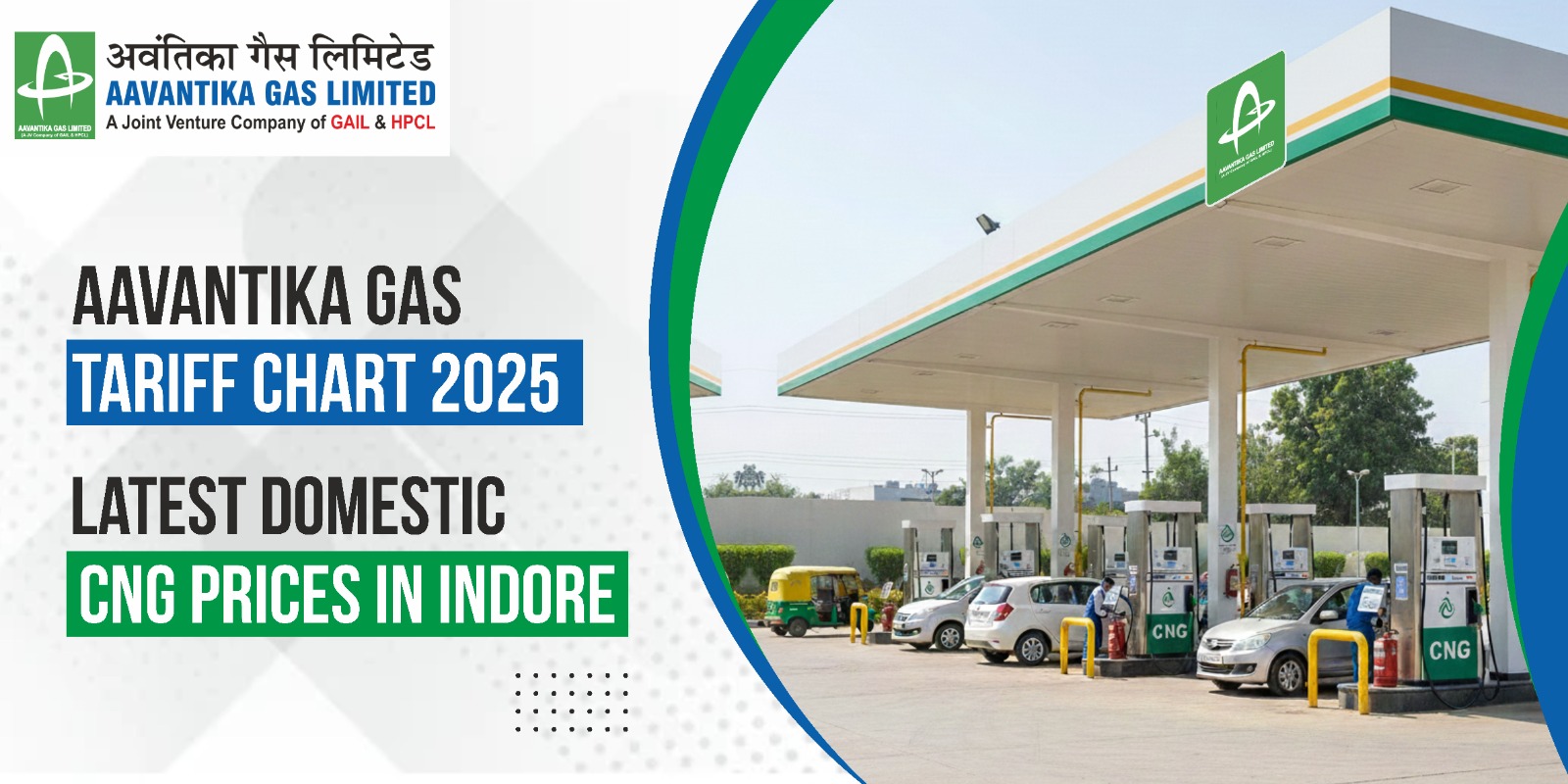
Indore is known for its rapidly growing mobility ecosystem, with personal and commercial vehicle usage increasing significantly over the last decade. This growth has also influenced consumer interest in cleaner fuel options, particularly compressed natural gas, which has become a preferred energy source for cars, autos, and fleet operators. As the city continues to expand, users are actively looking for reliable information on upcoming tariff structures and current CNG pricing. The Aavantika Gas tariff chart for 2025 is expected to play an important role in shaping consumer expectations and monthly fuel expenses across the city. Regular tariff reviews, network development, and regional demand are key factors that contribute to price adjustments. Understanding how these tariff changes affect daily mobility helps consumers plan fuel budgets more accurately. With CNG being widely used for both household and commercial vehicles, clarity on price trends remains an essential aspect for vehicle owners in Indore.
Latest Domestic CNG Prices in Indore
Consumers often monitor tariff revisions to understand their direct impact on fuel cost, especially when usage is frequent. In Indore, the current CNG tariff for domestic users is listed at ₹ 95.45 per kg, reflecting the latest adjustment announced for the 2025 cycle. Over the previous year, Indore has witnessed fluctuations based on input costs, infrastructure expansion, and supply allocation. Tariff variations tend to affect users differently depending on consumption volume. Daily commuters, cab operators, school transport providers, and commercial fleets often track new pricing closely because even a small shift can influence recurring costs.
The tariff chart for 2025 also highlights what consumers can expect in terms of long-term pricing patterns. Many users find CNG suitable because it maintains a relatively predictable cost curve compared to conventional fuels. As more CNG stations enter the network, access becomes easier and distribution efficiencies also improve.
Understanding Domestic CNG Usage Patterns in Indore
Domestic CNG usage in Indore is closely linked to local transportation habits, where two-wheelers, hatchbacks, and autos form a large share of the total vehicle count. Households with dual vehicles frequently rely on CNG as a primary fuel source because long-term consumption often becomes cost-effective. Users tend to refuel repeatedly in small intervals rather than in large quantities, making per-kg pricing highly influential on budgeting decisions. This consumption model creates a consistent market for CNG, even when tariff adjustments occur periodically.
Price Sensitivity and Consumer Response
Price revisions often trigger noticeable behavioural changes among consumers. A higher tariff may encourage users to optimize travel plans or switch to partial hybrid usage. On the other hand, a lower tariff supports higher daily travel, particularly for professional drivers. The CNG Price Indore market tends to respond quickly to changes because users calculate affordability in real time. For many consumers, tariff understanding is less about prediction and more about planning weekly usage and commute patterns in advance.
How Infrastructure Expansion Influences Tariffs
The expansion of distribution networks, new station development, and pipeline infrastructure affects the long-term tariff outlook. Investments made to widen supply accessibility require operational and capital costs that can influence price charts. Indore has witnessed a gradual increase in CNG stations over recent years, reducing the pressure on specific zones and helping distribute demand evenly. As infrastructure expands, operational efficiencies can improve, supporting more stable pricing structures in the future.
Policy, Market Demand, and Supply Economics
CNG pricing is shaped by broader economic and policy frameworks related to energy supply. Global commodity trends, domestic supply allocation, and regional consumption levels influence tariff decisions. Higher demand in urban automotive markets often leads to periodic pricing updates. Policy-driven prioritization, infrastructure allocation, and environmental goals also play a role. Indore’s CNG ecosystem reflects both long-term sustainability goals and short-term market responses, creating a tariff environment that is dynamic but generally predictable.
Why CNG Continues to Remain Relevant in Indore
Despite tariff changes, CNG remains relevant because it supports lower running costs over time. For frequent users, the difference becomes noticeable across months rather than days. Vehicle owners also value the reduced emissions and quieter combustion properties associated with CNG. Indore’s user base views CNG as a long-term fuel choice that aligns with both affordability and environmental considerations. Even with tariff adjustments, the overall demand for CNG continues to rise.
Conclusion
The Aavantika Gas tariff chart for 2025 gives users a clearer understanding of fuel pricing and its effect on daily mobility across Indore. With current CNG pricing at ₹ 95.45 per kg, consumers can assess their monthly costs and travel plans more realistically. Although tariffs may shift due to infrastructure development or market changes, the long-term outlook for CNG remains steady in terms of usage and preference. Indore continues to experience rising adoption rates for CNG-based vehicles because of their predictable performance advantages. As the city’s mobility demands evolve, transparent tariff information helps users navigate daily decisions more confidently. CNG continues to form an important part of the urban fuel structure, supported by providers such as Aavantika Gas Ltd.
FAQs
- Why is CNG pricing considered more predictable than conventional vehicle fuels?
CNG costs are less volatile because they are linked to long-term policies and supply contracts, unlike highly variable global crude oil markets influencing petrol/diesel.
- How does expanding the CNG station network influence future price stability?
Network expansion improves distribution efficiency and lowers localised demand pressure, supporting more stable pricing structures for consumers over time.
- What direct action do consumers take when the Aavantika Gas tariff increases?
Consumers often adjust travel plans, optimise daily routes, or temporarily switch to partial hybrid usage to manage and reduce their recurring fuel expenses.
- Does the policy-driven supply allocation prioritise CNG availability over other users?
Yes, policy frameworks often prioritise urban automotive markets and environmental goals, influencing favourable supply and pricing for Indore’s CNG ecosystem.
- Why do long-term CNG users find the fuel cost-effective despite periodic tariff hikes?
The overall running cost difference accumulates significantly over months of frequent travel, making CNG noticeably cheaper than conventional fuels for daily users.

No Comments
Sorry, the comment form is closed at this time.