



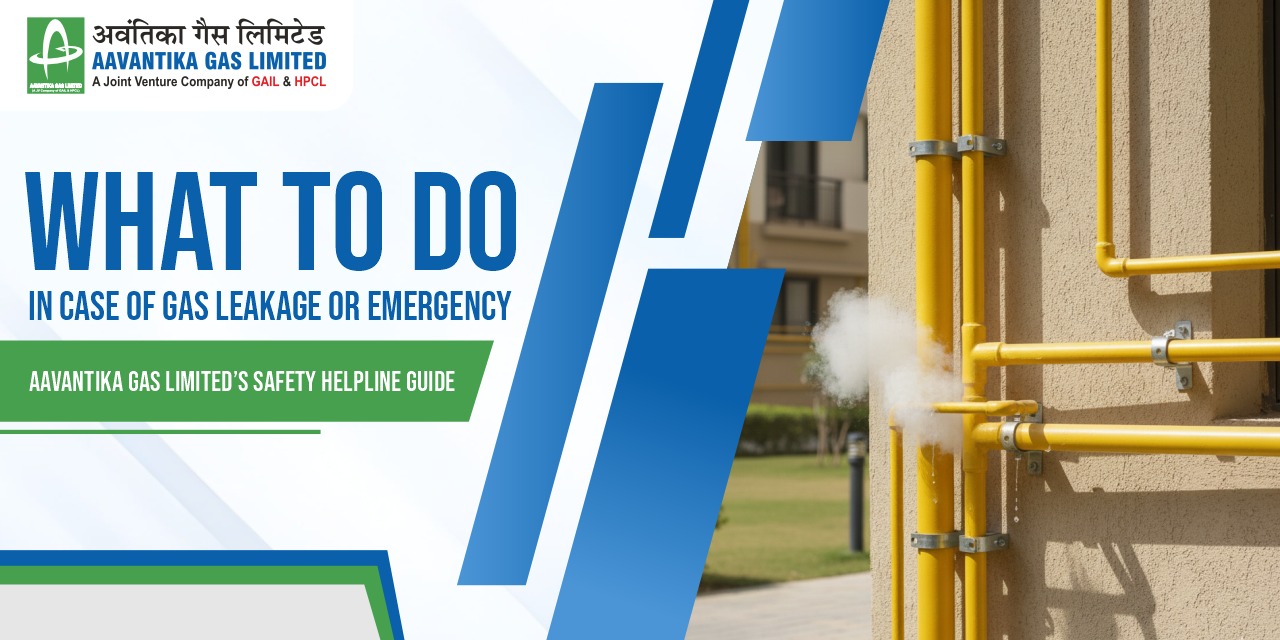
Natural gas has become an essential part of modern living, providing a clean, efficient, and eco-friendly source of energy for homes and businesses across India. From cooking to heating, it powers countless households every day. However, as with any energy source, safety remains the top priority. Although natural gas is one of the safest fuels when used correctly, accidents can still occur due to leaks, equipment faults, or human error. Understanding how to handle such emergencies can save lives and prevent property damage. In this guide, we will explore the essential steps to take if you ever suspect a gas leak or face an emergency situation. You’ll also learn how Aavantika Gas Limited’s dedicated safety helpline plays a crucial role in ensuring customer protection and timely response during any gas-related incident.
The First Step: Staying Calm and Alert
When you suspect a gas leak, the first and most important thing to do is stay calm. Panic often leads to mistakes that can worsen the situation. Natural gas itself is odorless, but for safety, gas companies add a chemical called mercaptan that gives it a strong, distinctive smell—similar to rotten eggs. This smell acts as your first warning sign.
If you notice this odour or hear a faint hissing sound near your gas pipeline, stove, or regulator, take it as a serious indication of leakage. It’s important to act quickly but safely. Do not switch on or off any electrical appliances, lights, or fans, as even a small spark could ignite the gas. Instead, move toward natural ventilation; open doors and windows immediately to allow the gas to disperse.
What is the emergency procedure for a gas leak?
Understanding what the emergency procedure is for a gas leak? is critical for every household using piped natural gas (PNG). The emergency protocol begins with immediate isolation of the gas source. If possible, turn off the main gas valve located near your meter or regulator. Avoid using any open flames such as lighters or matches. Step outside to a safe area and contact your gas service provider’s emergency helpline right away.
Aavantika Gas Limited, for instance, operates a 24×7 safety helpline where trained emergency response teams are on standby to attend to any gas leakage complaints. Their team responds promptly, guiding you through basic safety steps over the phone while dispatching technicians to your location.
Identifying Common Causes of Gas Leaks
Most gas leaks occur due to minor faults in pipelines, loose connections, or ageing rubber hoses. Sometimes, kitchen renovations or drilling activities near gas lines can accidentally cause punctures. Poor maintenance or improper installation can also lead to hidden leaks that go unnoticed until the smell becomes apparent. Routine inspections play an important role in preventing these incidents. Service providers like Aavantika Gas Limited conduct periodic maintenance checks to ensure the network’s safety. Homeowners are also encouraged to schedule regular checks of their internal gas fittings.
Gas Leak Emergency Procedures
When dealing with a potential gas leak, following the correct Gas Leak Emergency Procedures can make all the difference. Once you detect the odour or suspect a leak, do not operate electrical switches or use mobile phones indoors. Leave the premises immediately, and alert everyone in the house to do the same. If the leak is in a multi-storey building, inform your neighbours and the building security. Call your gas company’s emergency helpline only after stepping outside into an open area. Trained personnel will guide you through temporary safety actions while help is on the way. Upon arrival, the technicians will inspect the area with specialised gas detectors, identify the source of the leak, and repair it safely.
The Role of Aavantika Gas Limited’s Safety Helpline
Aavantika Gas Limited has established a strong reputation for reliability and customer safety in its PNG and CNG networks. Its Safety Helpline is operational 24 hours a day, 7 days a week, providing immediate assistance in case of any emergency. The helpline number is widely displayed on customer bills, websites, and gas meters, ensuring easy access during urgent situations. When you call, the helpline team records your details, assesses the severity of the situation, and provides step-by-step instructions to minimise risk until the emergency team arrives.
The Importance of Quick Response and Reporting
Timely action is critical in managing gas-related emergencies. Delaying a call to the safety helpline or trying to fix the issue yourself can increase danger. The emergency team is trained to reach the affected site within minutes of receiving a call, minimising the risk of fire or explosion.
Gas leakage incidents are rare but potentially severe, which is why every user must stay informed about the gas leak emergency procedures applicable in their locality. Aavantika Gas Limited’s commitment to rapid response and customer support ensures that residents of Indore, Gwalior, and other service areas can rely on expert help when it matters most.
Conclusion
Safety is not just a protocol; it is a continuous practice that protects lives and property. Knowing what to do in case of gas leakage or emergency can make the difference between a contained incident and a serious accident. By staying alert, following proper gas leak emergency procedures, and using the dedicated helpline promptly, every user can help maintain a safe environment at home and in their community. Gas safety awareness is the foundation of responsible energy use. Aavantika Gas Limited’s proactive safety initiatives and quick-response helpline demonstrate their unwavering commitment to public welfare. Through preparedness, regular maintenance, and responsible usage, we can all contribute to making natural gas not only efficient but also secure for generations to come. With Aavantika Gas Ltd., safety will always come first.
FAQs
- Why should I avoid using mobile phones or electrical switches indoors during a gas leak?
A spark from a switch or phone can ignite the gas. Evacuate first; call the helpline from a safe, open area outside.
- Is it safe for me to turn off the main gas valve immediately?
Yes, if it is easily and safely accessible. Shutting the valve immediately stops the flow of gas, mitigating the danger before help arrives.
- Besides the smell, what are subtle signs indicating a hidden gas leak?
Listen for a faint hissing sound near the line. Also, look for unexplained dead plants near underground gas line locations.
- How can homeowners proactively prevent hidden internal leaks themselves?
Schedule regular safety checks of internal gas fittings and rubber hoses. Most leaks occur from ageing or loose connections on your appliances.
- If the leak is in a building, who should I alert after I evacuate?
You must alert your neighbours and the building security. Inform the helpline that the leak is in a multi-storey building for proper coordination.

No Comments
Sorry, the comment form is closed at this time.